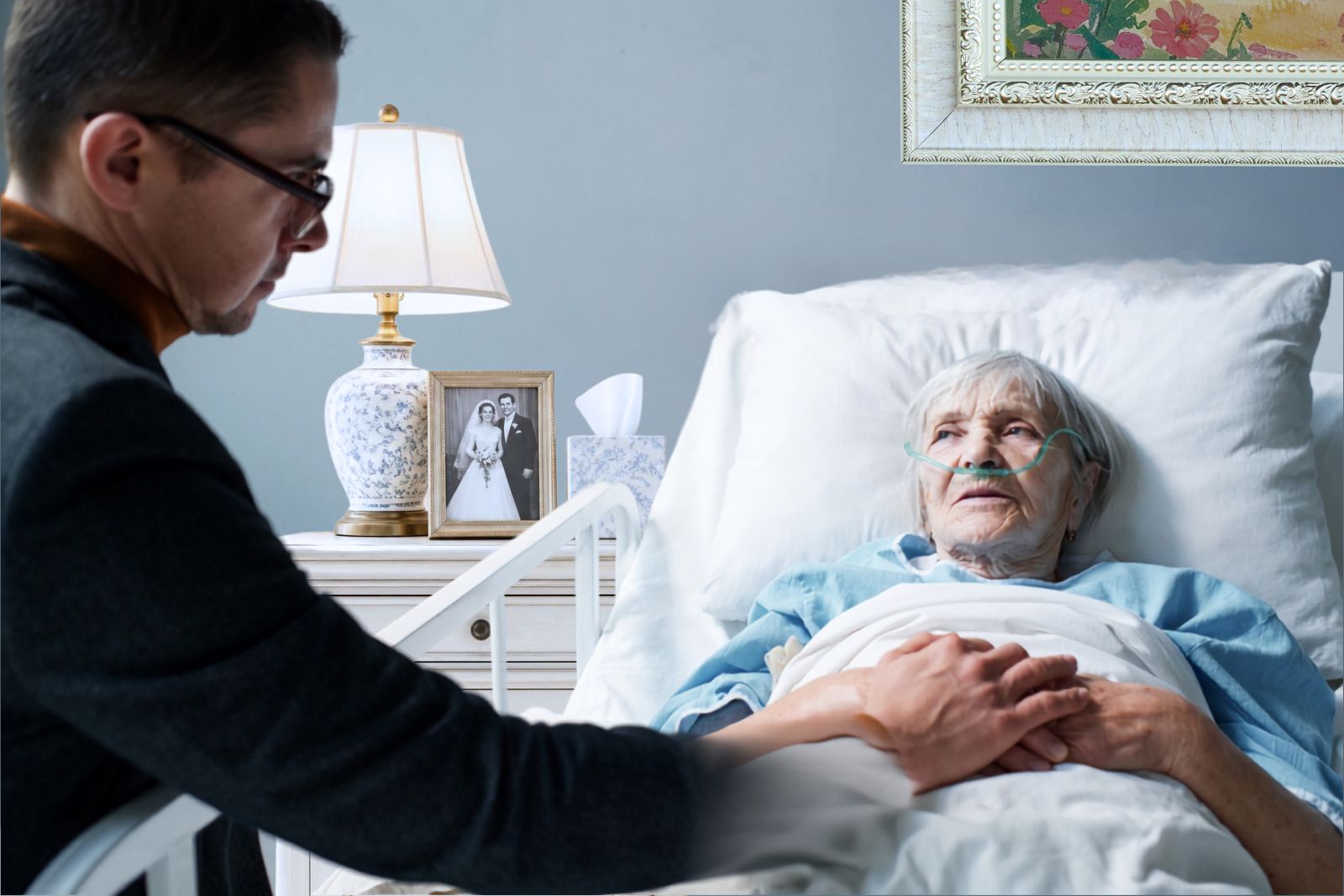
As patients approach the end of life, anxiety is a normal response to physical symptoms, uncertainty, and emotional stress. Anxiety can also worsen symptoms such as pain, shortness of breath, and nausea, creating a cycle that affects quality of life.
Hospice teams assess both the physical and emotional causes of anxiety and develop individualized plans to help patients feel more comfortable. While anxiety is common, it doesn’t have to be faced alone.
Recognizing Anxiety
Anxiety can look different from person to person. Some people openly express their worries, while others become restless, withdrawn, or irritable. Family members and caregivers are often the first to notice changes.
Signs of anxiety may include:
- Difficulty relaxing or sleeping
- Becoming unusually worried or fearful
- Repeating the same concerns or questions
- Appearing restless, tearful, or irritable
- Rapid breathing, shakiness, or a racing heart
- Feeling overwhelmed or having difficulty thinking clearly
In severe cases, anxiety may lead to a panic attack. A person may experience an overwhelming sense of fear or impending doom, chest tightness, or difficulty breathing. While these symptoms can be frightening, they can often be managed with the right support.
Managing Anxiety
There are many ways to manage anxiety. You may already use some of them in your daily life, such as talking through your worries, engaging in relaxing activities, praying, meditating, or making a plan. Some people with longstanding or severe anxiety also benefit from medication. It is very common for hospice patients to need extra support managing anxiety.
Anything that improves the well-being of the mind, body, or spirit can help reduce anxiety. What works best varies from person to person, and your hospice team can help develop a personalized plan based on your individual needs.
Some strategies that patients and caregivers may find helpful include:
- Practice slow, deep breathing to help calm the nervous system.
- Focus on your senses by enjoying a beautiful view, listening to favorite music, using aromatherapy, or picturing a peaceful place.
- Gently massage the hands, scalp, or feet.
- Talk openly about your worries with someone you trust. Being heard and understood can be healing.
- Distract yourself with an enjoyable activity.
- Draw on cultural, religious, or spiritual practices that have brought you comfort in the past.
- Ask questions. Your hospice team can help address concerns that may be contributing to anxiety.
- Allow yourself enough time for daily activities. Feeling rushed often makes anxiety worse.
- Plan ahead for situations you expect may increase anxiety.
- Take anxiety medications as prescribed, or talk with your hospice team if you think medication may help.
- Create a calm environment with reduced noise and distractions when possible.
Supporting a Patient with Anxiety
Loved ones and caregivers play an important role in helping reduce anxiety. Remaining calm, staying nearby, and listening compassionately can provide tremendous reassurance. You can also remind your loved one of the strategies that have helped in the past, such as deep breathing, listening to music, prayer, or taking prescribed medication.
Sometimes the most helpful thing you can say is, “Tell me what’s worrying you.” Simply listening without trying to immediately solve the problem can help your loved one feel heard and supported.
We’re Here to Help
Anxiety is a common part of the end-of-life journey, but it is also something hospice teams are experienced in managing. Whether anxiety is related to physical symptoms, emotional concerns, or uncertainty about the future, your hospice team can help create a personalized plan that supports comfort and quality of life.
If you have questions about hospice care or would like to learn more about the support Hospice of the Northwest provides, call (360) 814-5550 or visit our How Hospice Can Help page.